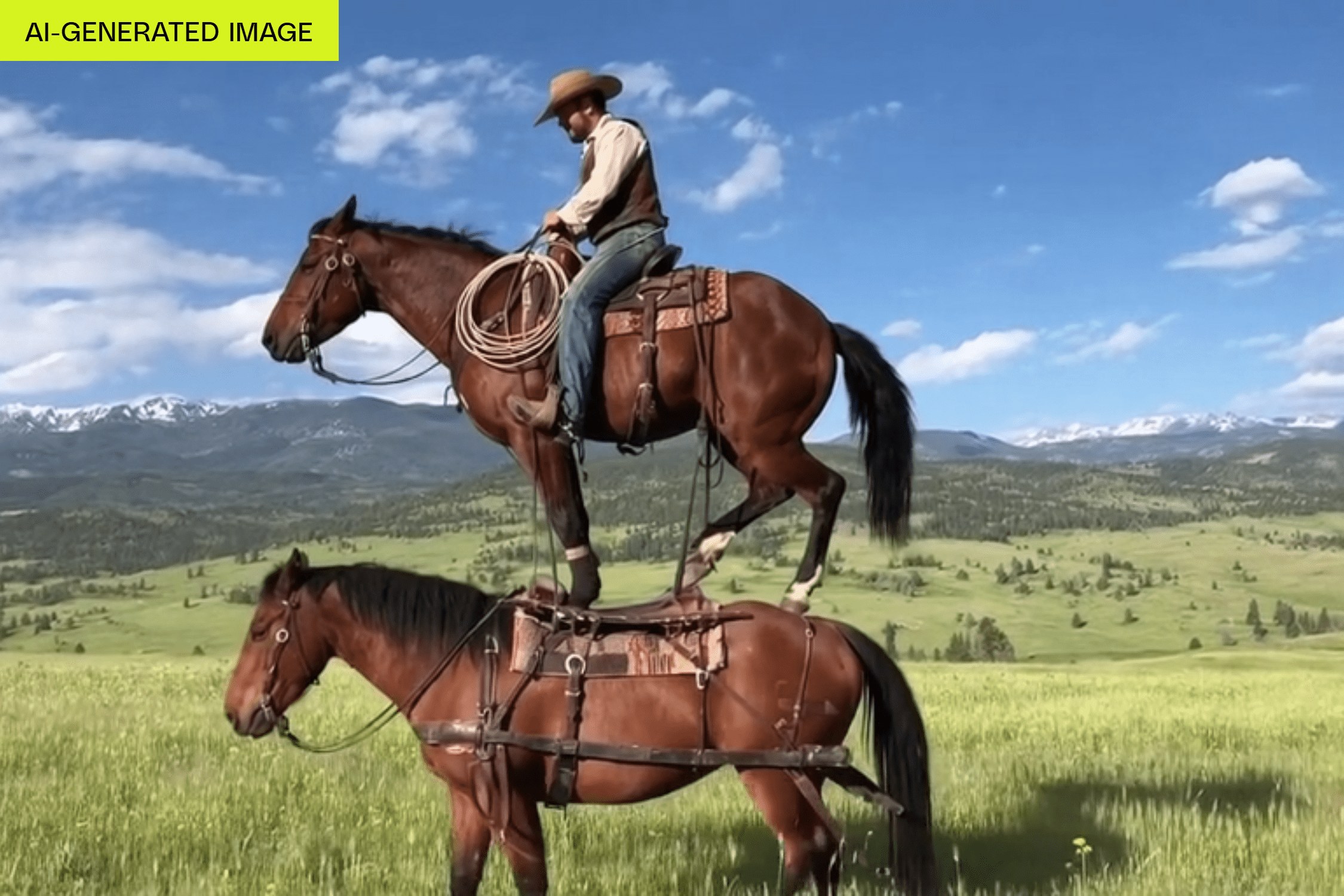
In March 2026 OpenAI announced that it was fully closing the Sora project—a mobile product and API that had promised to generate video clips from text prompts in seconds. According to the Wall Street Journal, the model never made it into ChatGPT; The Hollywood Reporter added that Disney's license for its characters vanished along with confidence in the project. Reuters identified the primary cause as massive compute costs that siphoned resources away from the company’s core services.
On the same day CFO Sara Fryer disclosed an additional $10 billion of funding, bringing the total round to an undisclosed amount and shifting focus toward "mature" offerings such as ChatGPT and other established products. For media agencies and marketers this is a clear signal: relying on a single large text‑to‑video model right now is too risky.
The billion‑dollar "contract" with Disney turned out to be an illusion; the technology failed to meet its commercial promises and the license disappeared. Companies in media and marketing will need hybrid approaches—mixing smaller models from startups, building their own post‑production pipelines, and maintaining backup licenses for traditional content.
OpenAI's abandonment of Sora confirms that text‑to‑video solutions carry high operational expenses and underscores the necessity of diversifying suppliers. Executives should revisit AI video project budgets, allocating a portion of funds to hybrid solutions and in‑house development to reduce dependence on a single vendor.
Why this matters: The shutdown signals that large-scale text‑to‑video is still cost‑prohibitive for most businesses. Allocate budget to flexible, multi‑source video AI stacks now to avoid being stranded by a vendor’s strategic shift.