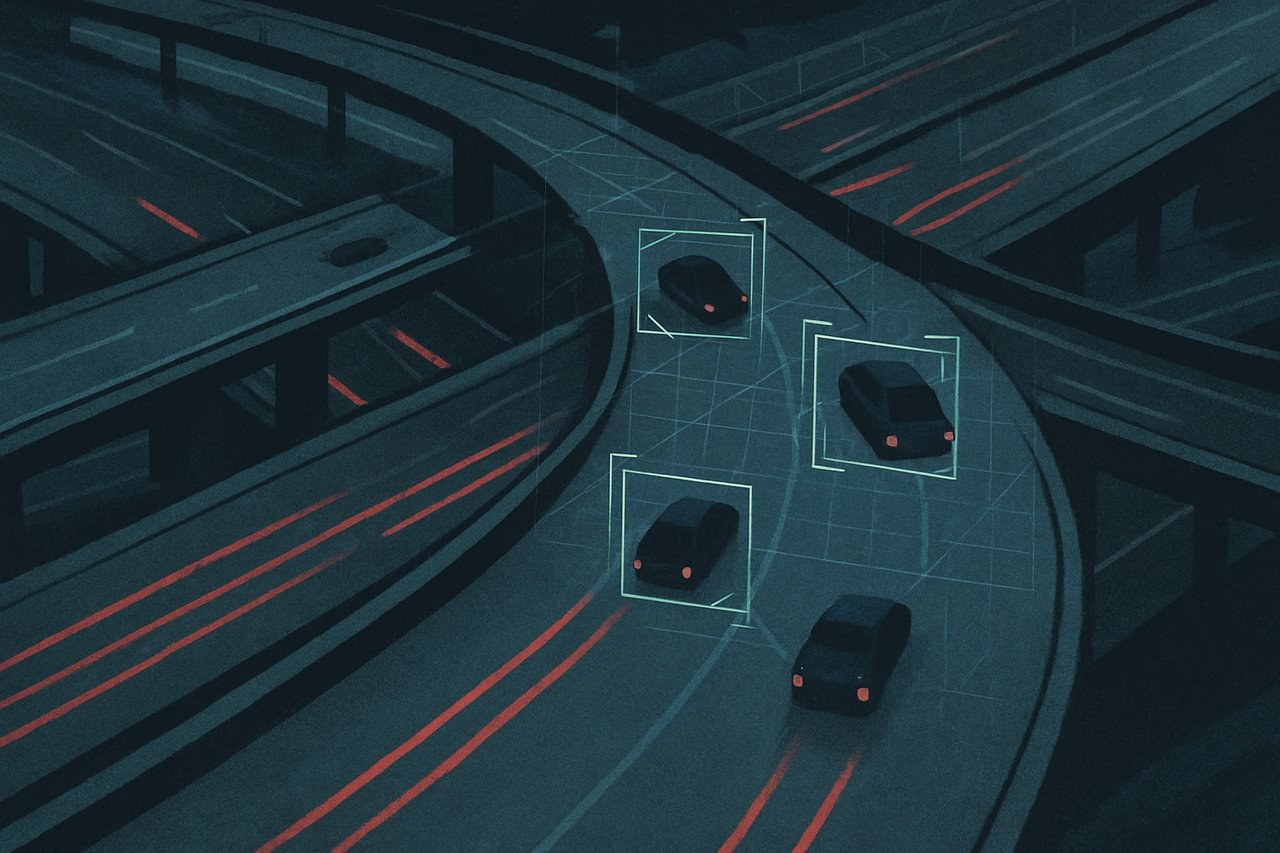
The FBI is moving to centralize automotive surveillance across the United States, effectively ending the era of decentralized tracking. According to procurement documents first uncovered by 404 Media, the Bureau’s Intelligence Division intends to purchase nationwide access to data from Automatic License Plate Recognition (ALPR) systems. The technical specifications emphasize a "critical need" for near-real-time data streams from major highways, signaling the Bureau's intent to transform fragmented local camera networks into a unified federal search engine for citizen movement.
Ironically, this push for total visibility has run straight into a wall on Capitol Hill. Even as the FBI prepares to funnel millions of dollars to data brokers, a bipartisan group of lawmakers is advancing legislation to ban state and local authorities from using ALPR technology for police tracking. This creates a classic legal stalemate: one arm of the government is scrambling to protect privacy rights, while the other is frantically plugging into private servers to monitor every turn you take.
For computer vision developers and hardware vendors, the FBI’s maneuver serves as a warning shot. Companies that once marketed "smart" software for parking lot management are being repurposed as central nodes in a federal surveillance apparatus. While the Bureau justifies the purchase by citing "maximum utility for law enforcement," the business reality is fraught with ethical risk and legal instability. If the legislative ban gains momentum, multi-million dollar contracts could vanish overnight, leaving vendors caught in the crossfire between intelligence agencies and privacy advocates. The era of "neutral software" is over; in today's climate, every camera installation is a political statement.