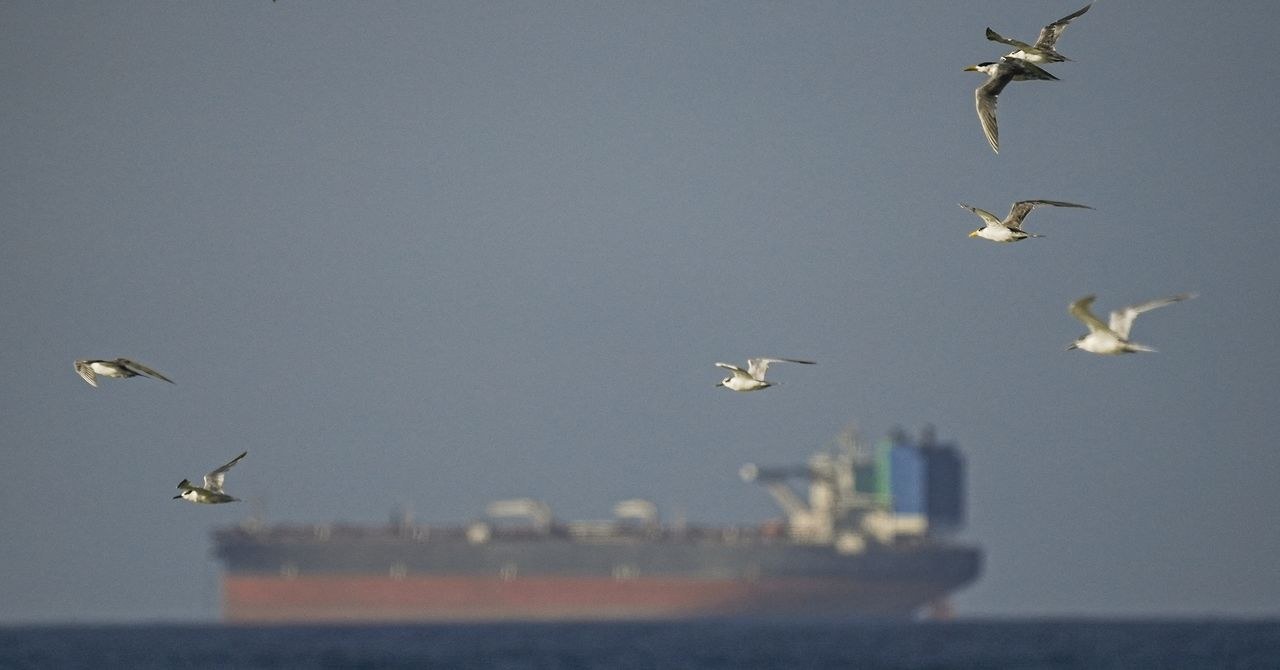
Traditional satellite monitoring in the Strait of Hormuz has effectively surrendered to electronic jamming. According to Michelle Wiese Bockmann, a senior analyst at Windward AI, at peak periods last month, well over 50% of the traffic in the strait was jammed. This is not just interference, but a systemic blinding of standard tracking systems that are used to trusting transponder data on a ship's course and position. For CEOs of logistics giants and raw material traders, this means one thing: the data on which you build predictive logistics and calculate risks has turned into disinformation.
As Bockmann explains, while the "shadow fleet" used to simply turn off sensors, the current scale of the anomaly nullifies the value of classic monitoring in the waters through which 20% of global oil consumption passes. To break through this wall of digital noise, analysts are finding new ways to follow them. The focus is on a cohort of 500–600 tankers that have been tracked for years, like recalcitrant children. Trackers identify them by unique seven-digit IMO numbers even under signal suppression.
This cat-and-mouse game is critical for insurers and traders. The stakes here are not only financial gaps, but also the risk of environmental disasters from invisible ships. The situation is complicated by the fact that in April, US satellite firms announced they would limit high-resolution imagery of the region. As Samir Madani of TankerTrackers.com notes, this forces the use of old sources and buying information from other Western sources. The era of passive monitoring is over: in conditions where half of the traffic is intentionally hidden, relying on "raw" GPS means exposing supply chains to inevitable chaos.