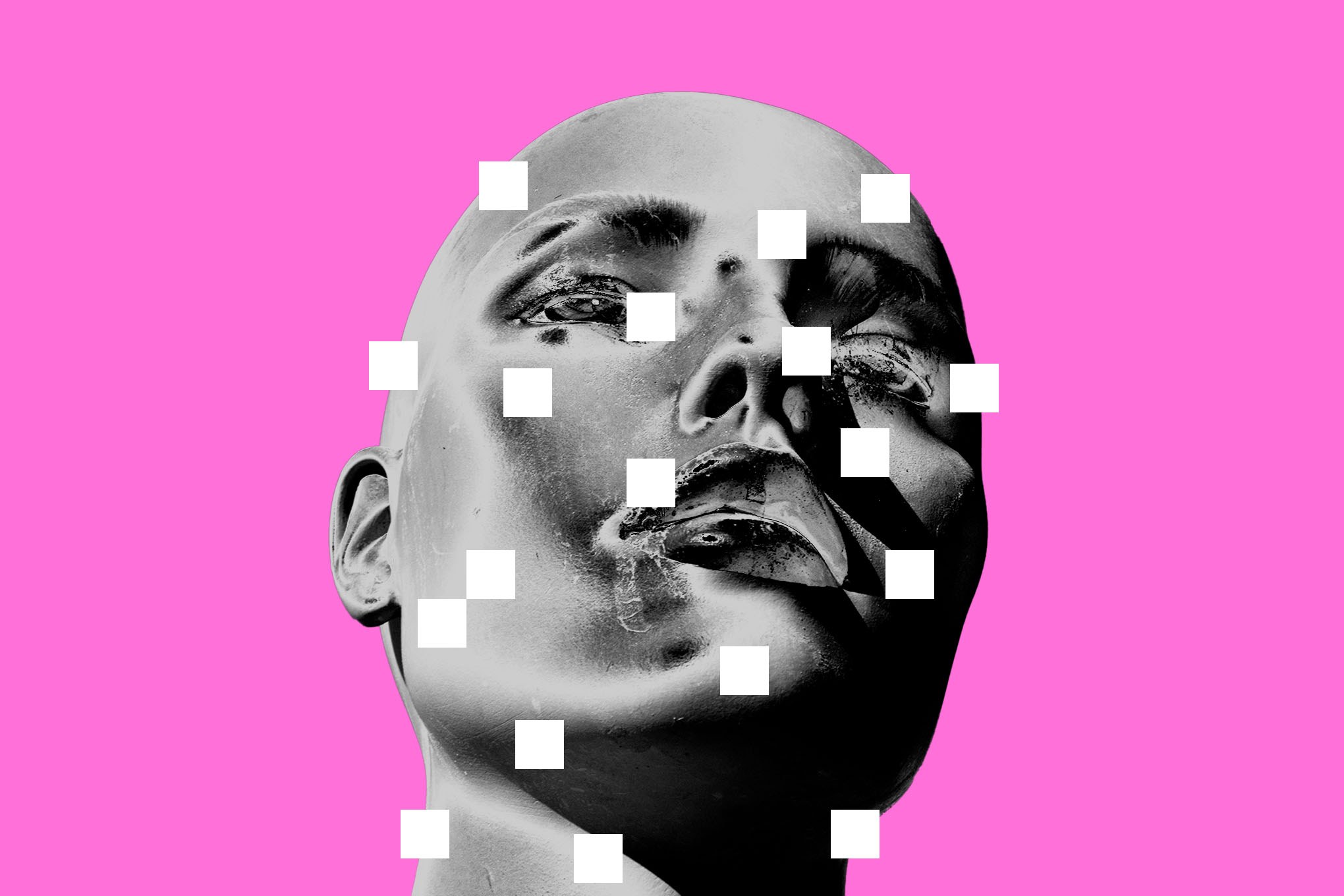
YouTube is expanding access to its Likeness Detection tool for all users over 18, effectively blurring the line between protecting celebrities and average citizens. As platform spokesperson Jack Malon confirmed, users no longer need "popular creator" status to activate these safeguards. In doing so, the video hosting giant admits a grim reality: deepfake threats have gone mainstream, and Google no longer has the resources for manual moderation.
The mechanics of the process look like a voluntary biometric handover. To start, the system requires a selfie scan to create a "reference template." Algorithms then begin scouring the platform, notifying the face owner of any suspicious matches. At this stage, however, YouTube is limiting its scope to visual similarity, ignoring voice synthesis—a glaring loophole for creators of AI-generated "talking heads."
This is more than a feature update; it is a fundamental shift in safety policy. The platform is elegantly shifting the burden of content integrity onto the users themselves. Instead of systemically suppressing deepfakes, Google is crowdsourcing moderation: you are now responsible for monitoring alerts and filing takedown requests. The final decision to remove a video remains with YouTube, where moderators will judge the "realism" of the footage and the presence of AI disclosure labels.
The irony is hard to miss: under the banner of privacy protection, Google is building a colossal repository of biometric data. While users gain the right to demand the removal of digital twins—setting a new precedent for copyrighting one’s own appearance—YouTube reserves the right to keep videos online if they are labeled as parody or satire. So far, the number of formal complaints remains tiny, but this mass rollout transforms every viewer into a voluntary censor, tethered to the Google ecosystem by a biometric anchor.