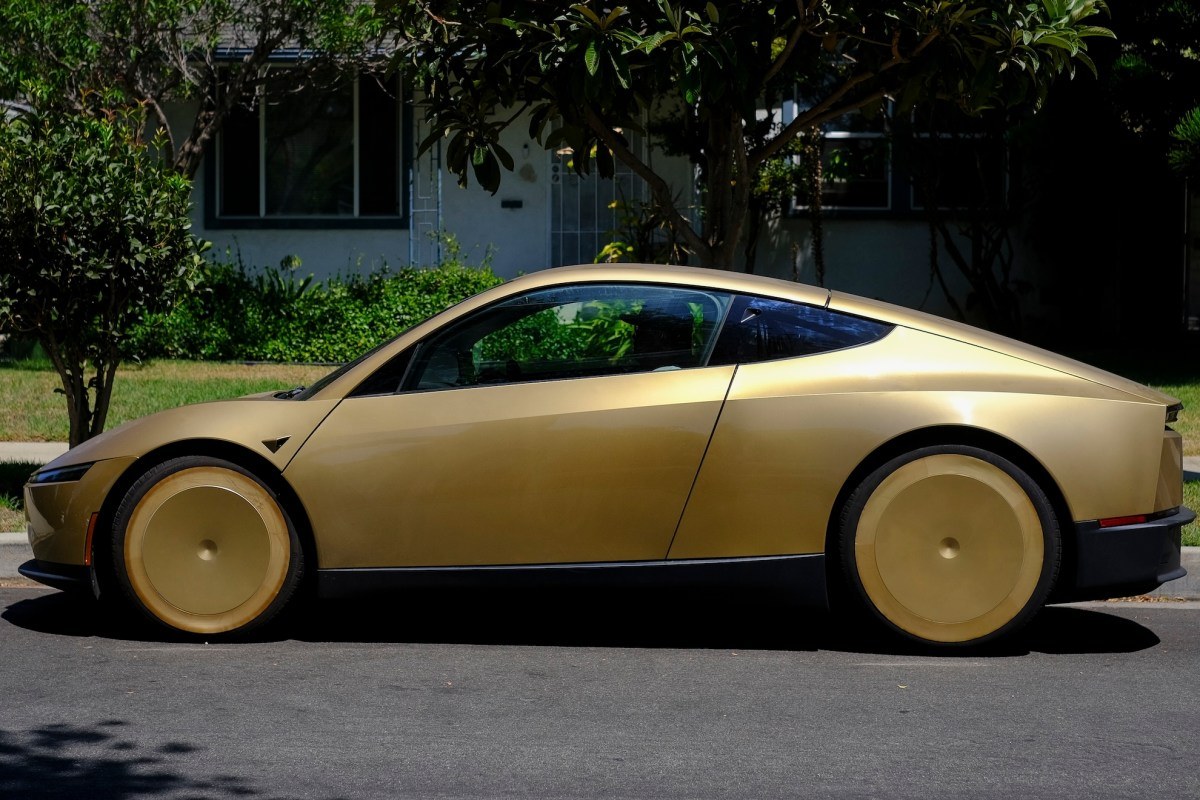
Automakers have long relied on self-certification under Federal Motor Vehicle Safety Standards (FMVSS), but stripping out human controls entirely turns that procedural loophole into an immediate federal flashpoint. Mere hours after Tesla launched its first cab fleet on public roads in Austin, Texas, the National Highway Traffic Safety Administration (NHTSA) opened a formal safety probe. Current FMVSS mandates require physical brake controls and steering gear, making Tesla's decision to deploy a cab stripped of pedals and wheels an open challenge to existing safety law.
Tesla told NHTSA that it self-certified the Cybercab as fully compliant with existing federal rules. In response, regulators launched an inquiry targeting the exact technical data and verification processes Tesla used to claim compliance, specifically questioning whether the company arbitrarily deemed mandatory hardware rules inapplicable to its pure vision architecture.
"NHTSA fully supports the safe development and deployment of automated vehicles. But as the federal regulator, we need to ensure that all of our laws are followed," administrator Jonathan Morrison said in a statement.
Jonathan Morrison, administrator at NHTSA, underscored that federal oversight will not yield to silicon-style deployments that bypass statutory traffic safety frameworks.
The Precedent of Regulatory Exemptions
Tesla is retreading a path already stalled by regulatory friction. In 2022, Amazon-backed Zoox self-certified its purpose-built robotaxi without manual controls, only to face an aggressive NHTSA audit query that stretched commercial timelines by years.
Zoox secured an initial NHTSA exemption in 2025 solely for non-commercial demonstrations. Commercial fare collection required submitting a formal Part 555 petition covering exemptions from eight distinct FMVSS rules—a process that took until July 2026 to clear. Tesla’s refusal to follow this structured exemption pathway leaves its rollout exposed to immediate grounding.
Rulemaking Timelines Versus Active Standards
The Department of Transportation may be considering long-term revisions to ease manual control mandates for dedicated autonomous systems, but active statutory standards govern public roads today. For Tesla, this regulatory gap threatens the core financial model of a scaled Cybercab network: bypassing formal Part 555 exemptions does not accelerate commercial deployment, it merely guarantees protracted federal litigation while capital sits idle.