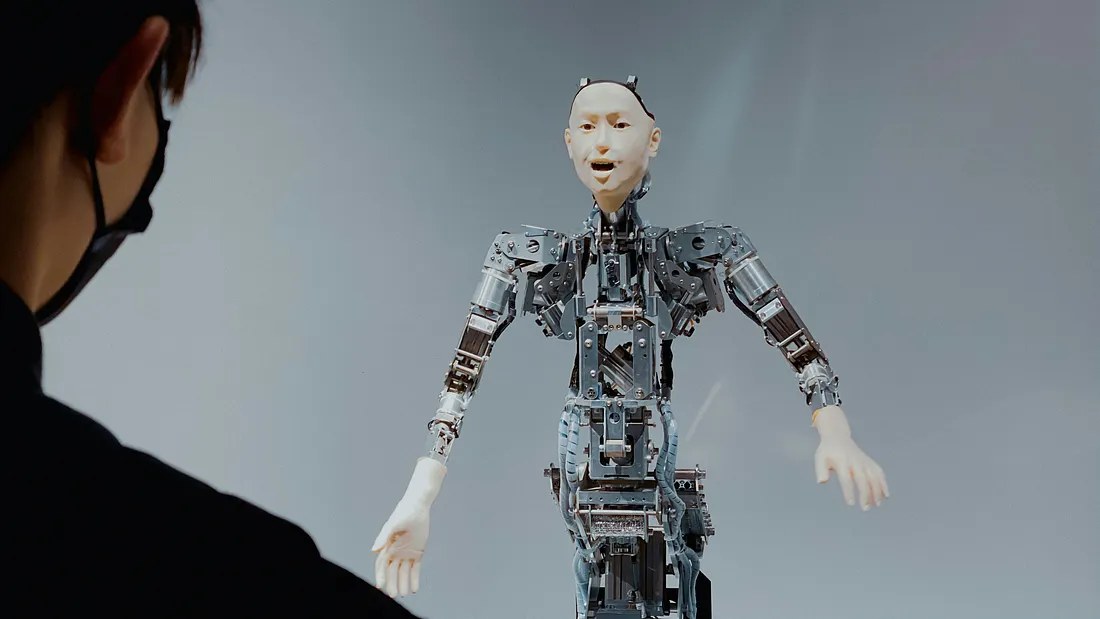
By March 2026, automotive giants BMW and Toyota are already deploying industrial robots whose labor cost has fallen below $2 per hour. The suppliers include startups Figure AI, Agility, and tech heavyweight Xiaomi.
Figure AI has automated the assembly of body panels at BMW’s Munich plant, cutting labor expenses from $30 to $2 per hour and boosting production speed by 35 %. Agility introduced service robots on Toyota’s hybrid‑model line in Tokyo, slashing assembly‑staff costs by tens of times and reducing product defects from 1.8 % to 0.4 %. Xiaomi tested its own solutions at an electronics factory in Shenzhen: the robot‑operator cost $1.9 per hour, while output of finished goods rose by 28 %.
For CEOs this is a clear signal to recalculate personnel budgets and factor the direct savings from robotics into financial planning. ROI assessments must now incorporate lower labor costs, faster capital turnover, reduced scrap rates, and the potential for more aggressive pricing strategies.
Integrating robots also requires investment in infrastructure, cybersecurity, and retraining of remaining staff—expenses that are already being folded into total cost‑of‑ownership calculations. Companies lagging behind in adopting $2‑per‑hour robotic solutions risk higher costs and a loss of competitive edge. Embracing the new pricing structure for robots is becoming a prerequisite for preserving margins amid accelerating automation.