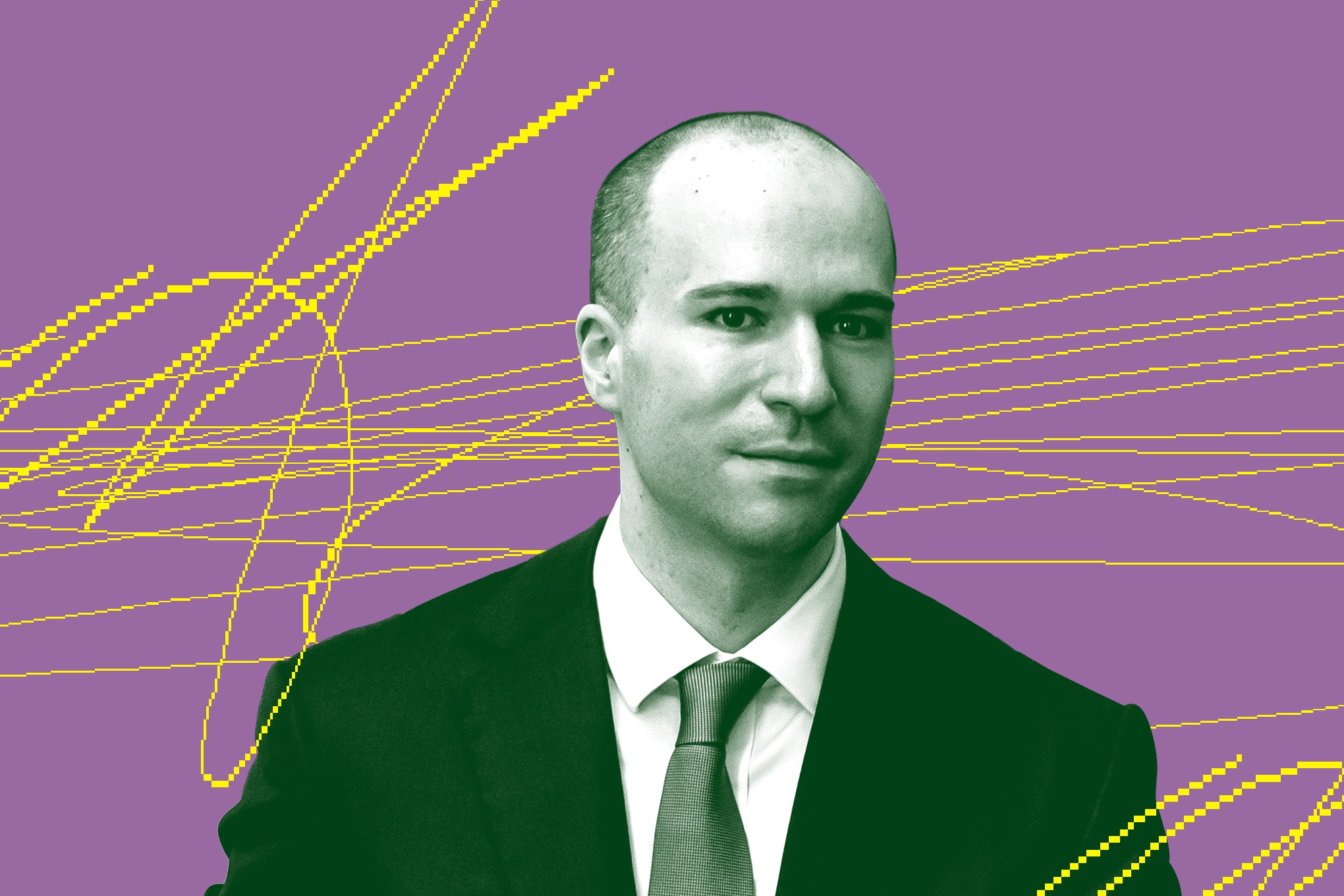
OpenAI is officially ending its era of decentralized experimentation and the administrative autonomy of its research groups. According to an internal memo, Company President Greg Brockman has executed a sweeping organizational cleanup, centralizing product strategy and scaling operations under his direct control. This is no mere cosmetic shift; it is a move toward a rigid management vertical designed to stifle internal competition and mobilize resources for a unified AI agent platform. As Brockman notes, the goal is to elevate agents to the same level of ubiquity as ChatGPT, moving beyond simple answers toward "high utility."
We are witnessing the controlled sunset of the classic Q&A interface. The merger of ChatGPT and Codex into a single ecosystem marks the final departure from the concept of a polite chatbot in favor of autonomous task-execution systems. OpenAI is transitioning into an "operating system" mode, where the AI doesn't just reason about code—it writes and implements it independently. In the new hierarchy, Thibaud Sauvageot (formerly of Codex) oversees the product "core," while Nick Turley focuses on critical enterprise sectors. The consumer segment—covering health, commerce, and finance—has moved under Ashley Alexander, while Vijay Raji takes the helm of infrastructure, data, and, notably, advertising.
However, this consolidation of power comes amid unsettling leadership turbulence. Brockman’s takeover coincides with an extended medical leave for Fidji Simo, who was slated to oversee the AGI (Artificial General Intelligence) roadmap. This pattern of top-tier reshuffling and executive departures raises questions about the stability of the company's long-term strategy. Facing investor pressure, OpenAI appears to be streamlining its structure ahead of a potential IPO, discarding side projects that don't generate direct profit.
From our perspective, this is a play to build a monopoly on execution infrastructure. By integrating Codex logic directly into the conversational flow, OpenAI is moving beyond being a base-model provider to become the fundamental operating layer of the global economy. Yet, herein lies the primary vulnerability: betting on a single leader while the management bench remains chronically unstable creates a fragile dependency. It remains to be seen whether centralizing power under Brockman can stabilize a team accustomed to constant exits, or if OpenAI is simply centralizing its risks just as it faces its most critical pivot yet.