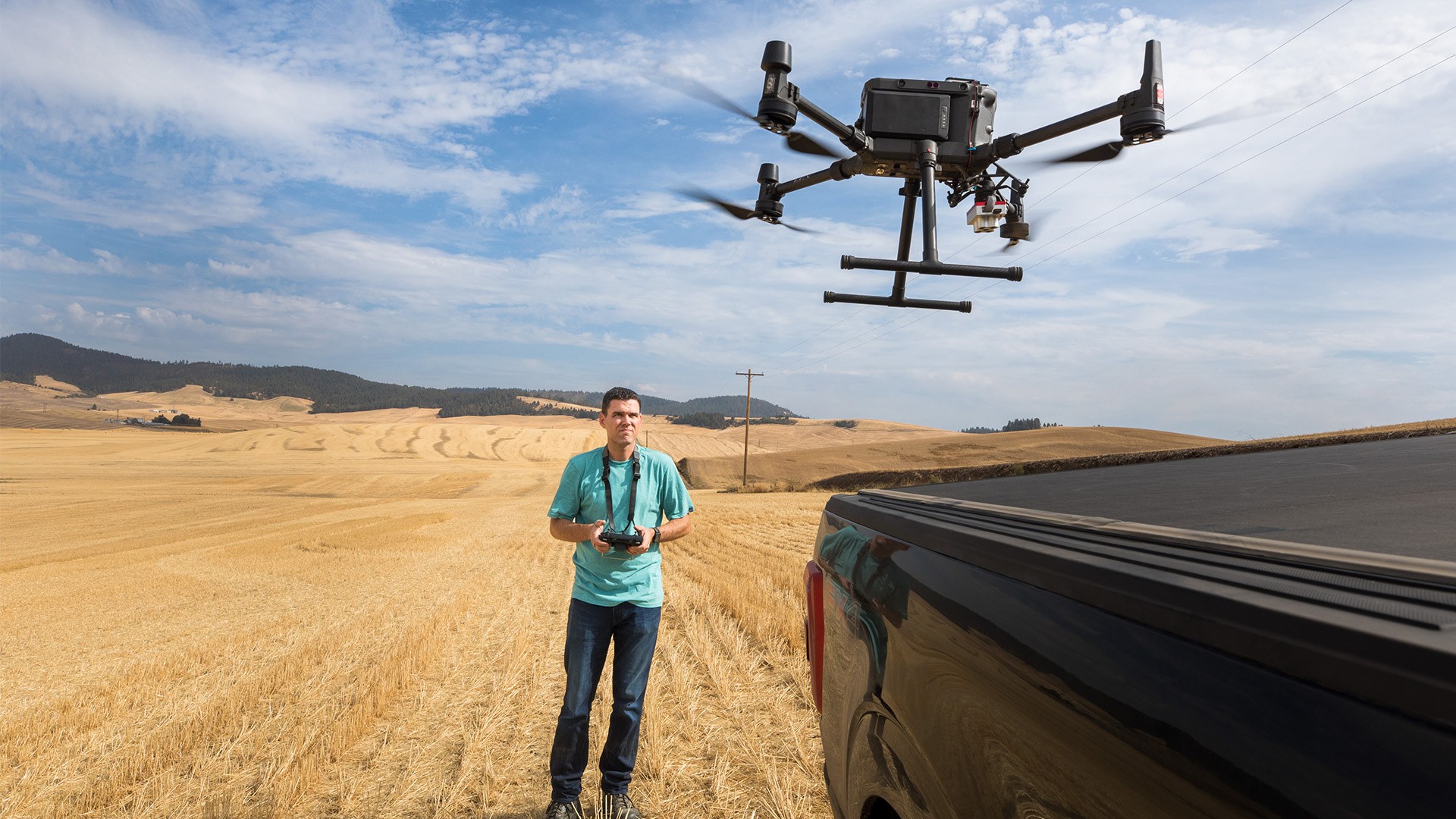
Microsoft has released the source code for FarmVibes.AI to the public, stripping away a long‑standing advantage held by large players such as Land O’ Lakes and Bayer. Ranveer Chandra says the goal is to launch the technology beyond Washington so it can help move toward doubling global food production by 2050. For mid‑size agribusinesses this means a ready‑made suite of machine‑learning models without having to hire dozens of data scientists.
FarmVibes.AI is a collection of algorithms that run on Azure and has already been field‑tested by farmer‑engineer Andrew Nelson on 7,500 acres. The models recommend fertilizer and herbicide rates, forecast temperature and wind conditions, calculate seed‑placement depth based on soil moisture, and even estimate carbon‑sequestration potential. Nelson says these insights save time, cut costs and help keep farm problems under control. In real‑world use the fertilizer savings can reach 15‑25% while yields stay flat or rise, meaning variable costs truly decline.
The core idea is simple: open code lets third‑party developers quickly adapt and embed the algorithms into their own products. Startups are already building services on top of FarmVibes – from mobile apps for spot spraying to cloud analytics platforms for cooperatives. This is creating a new AI market in agriculture where speed to field deployment, not sheer data volume, will decide the winner.
Putting aside the PR spin, the real value of the project is accelerating precision farming without massive R&D outlays. For CEOs it offers an immediate path to predictive analytics using Azure rather than waiting for custom solutions from big vendors. The open nature reduces vendor lock‑in risk and makes scaling across multiple regions easier.
Why this matters: opening FarmVibes.AI reshapes the playing field for mid‑size agribusinesses, enabling up to a 25% cut in fertilizer use and higher efficiency without heavy capital investment. Early adopters will gain a competitive edge and become the foundation for an emerging ecosystem of services built around a single technology platform.