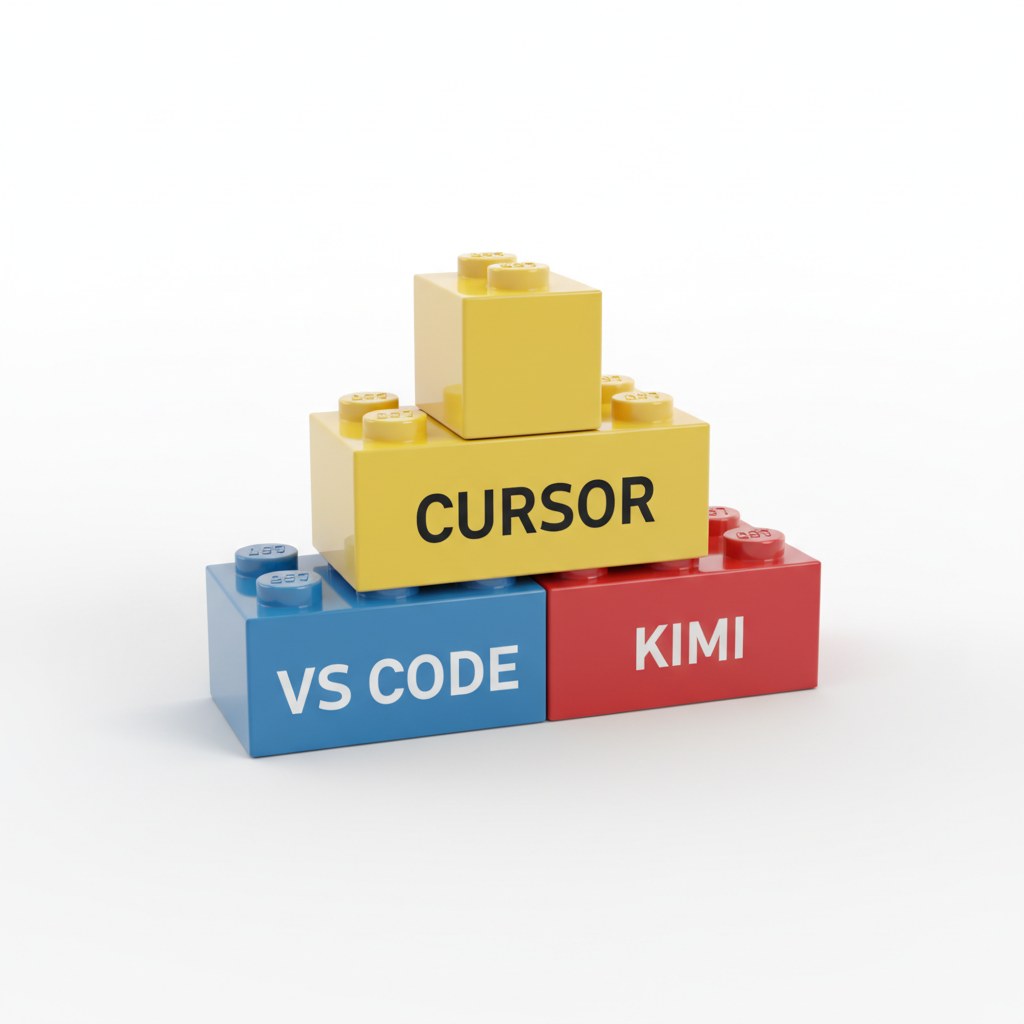
Cursor now handles over a million queries per day thanks to Composer 2, which is built on Moonshot AI’s open Kimi K2.5 model. Training took seven weeks, whereas the average U.S. counterpart ages eight months and manages only one or two updates in that time. The result is quality that is nearly comparable with Western leaders while the license costs eight times less.
For startups this translates into a five‑fold speed‑to‑market boost and computational expense reduced to one‑eighth of competitors. At ten million queries per month the savings can exceed $1.2 million.
The share of Chinese open models is rising sharply, from 1.2 % at the end of 2024 to almost 30 % by the close of 2025. A case in point is Qwen, which has already overtaken Llama in downloads on Hugging Face and amassed 700 million downloads by October 2025.
What does this mean for business right now? Chinese AI suppliers are shedding the "exotic" label and becoming a genuine alternative. Re‑evaluate your partner roster, add Chinese open‑source solutions to your portfolio, and prepare defenses against potential attacks on agent systems – otherwise you risk losing up to 80 % of efficiency.
Why this matters: Switching to cheaper, high‑quality Chinese models can cut AI operating costs dramatically while accelerating product rollout. Incorporating these options now safeguards performance and positions firms ahead of a rapidly shifting AI supply chain.