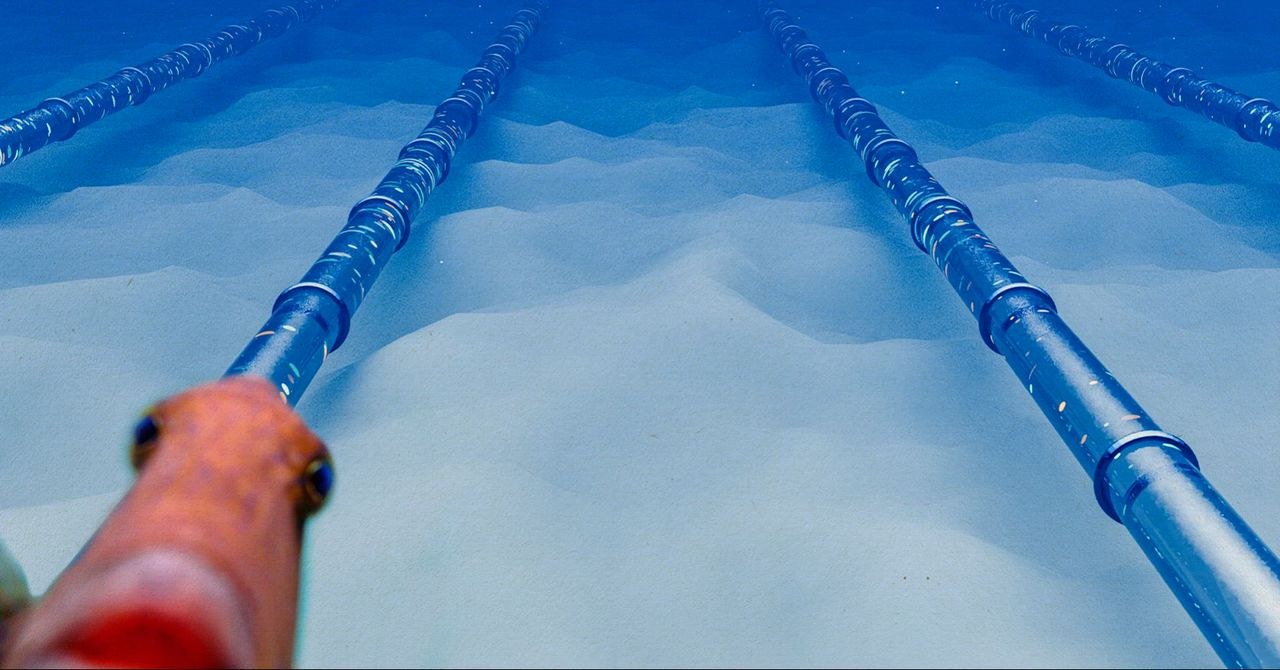
Saudi Arabia and the UAE are pivoting from oil rigs to GPU clusters, pouring billions into massive data centers and NVIDIA H100 procurement. The goal is clear: transform the region into a global powerhouse for exported compute. However, this digital fortress is built on a remarkably fragile foundation. According to data from WIRED, up to 95% of international data traffic flows through undersea cables that are squeezed into dangerous bottlenecks in the Red Sea and the Strait of Hormuz.
Geopolitical instability has turned deep-sea fiber optics into a high-stakes leverage point. Imad Atwi of Strategy& Middle East notes that today’s hyperscalers need more than just high-bandwidth pipes; they require infrastructure resilience capable of weathering regional chaos. The events of early 2025, when two major subsea lines were damaged in the Red Sea, underscored the risks: days of network degradation and a direct economic blow of $3.5 billion. This occurred even before the region began processing the massive datasets required for training frontier AI models.
The challenge for Gulf cloud sovereignty is that it rests on thin fibers vulnerable to a stray anchor or local skirmish. Diversifying data routes is no longer a niche technical task; it is a critical hurdle for regional AI strategies. Without land-based alternatives and secure new corridors, those multi-billion dollar investments in silicon risk becoming piles of dead weight the moment a local conflict escalates.
Ironically, in their rush to escape a dependence on oil tankers and narrow straits, Arab monarchies have recreated the exact same strategic trap in the digital realm. The export of compute power has inherited the bottlenecks of the hydrocarbon economy. As long as the connectivity architecture remains a hostage of geography, the status of a global AI hub will remain an expensive desert mirage.