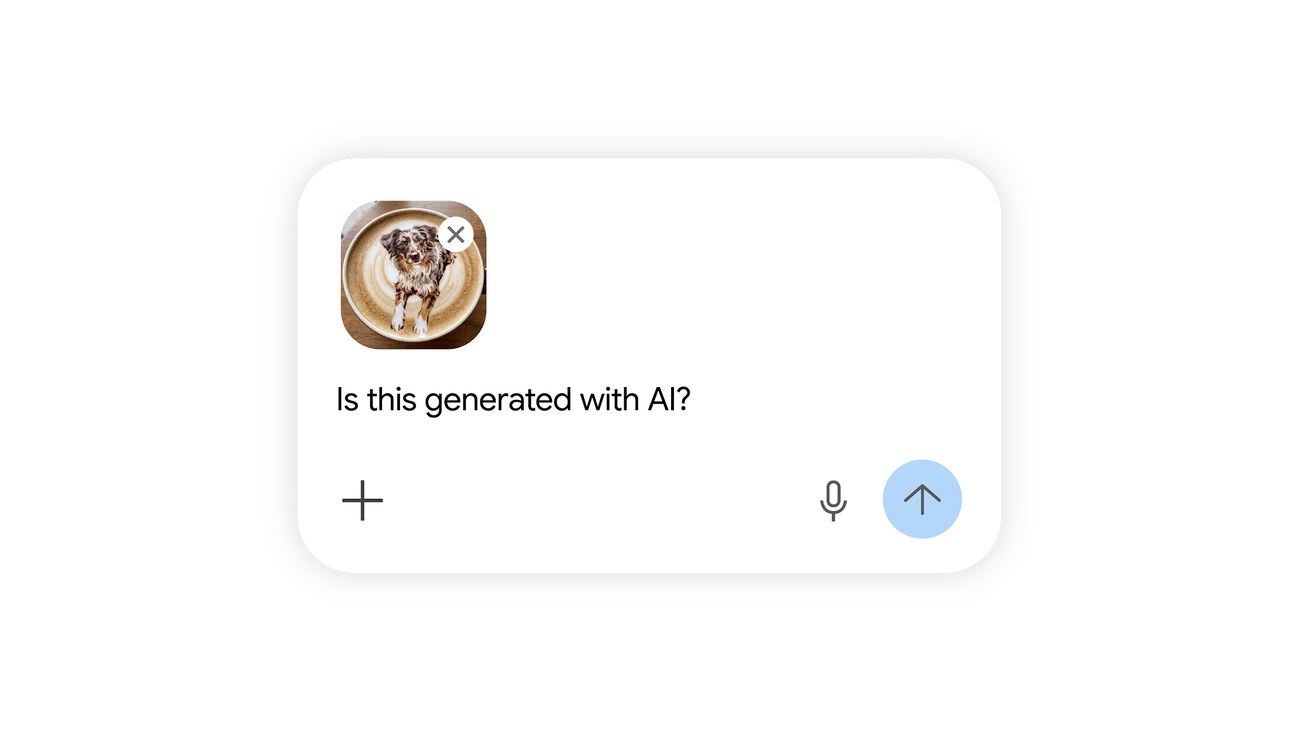
Google is methodically constructing a comprehensive content verification system, turning digital watermarks into a mandatory standard for corporate media assets. According to the company, its SynthID technology has already processed over 100 billion images and videos. Now, this invisible marking—integrated into Gemini, Search, and Chrome—is becoming a global "friend or foe" filter. If your content lacks a digital signature, Google’s algorithms will increasingly treat it as a suspicious object.
This expansion of control is moving from cloud services directly into hardware. The Pixel 10 lineup has become the first smartphone series to feature native support for the Content Credentials (C2PA) standard at the camera level. Google has announced that authenticity verification for video will also soon roll out to Pixel 8 and 9 models. This means verification occurs the moment you press the shutter button: every photo receives an original "passport" before it even hits the web. Major players like OpenAI, ElevenLabs, and NVIDIA have already joined this movement, forming an elite club of trusted information providers.
For businesses, a period of hard choices has arrived. A digital signature is no longer a nice-to-have feature; it is a critical asset attribute. Any media file without a clear provenance history risks being flagged as a fake or manipulation, leading to an immediate loss of reach and a total wipeout of brand reputation. In the new reality Google is imposing, transparency of origin is the only way to maintain legitimacy in the digital space. It is time for your media managers to face facts: content without C2PA metadata will soon be as useless as a website without an SSL certificate.