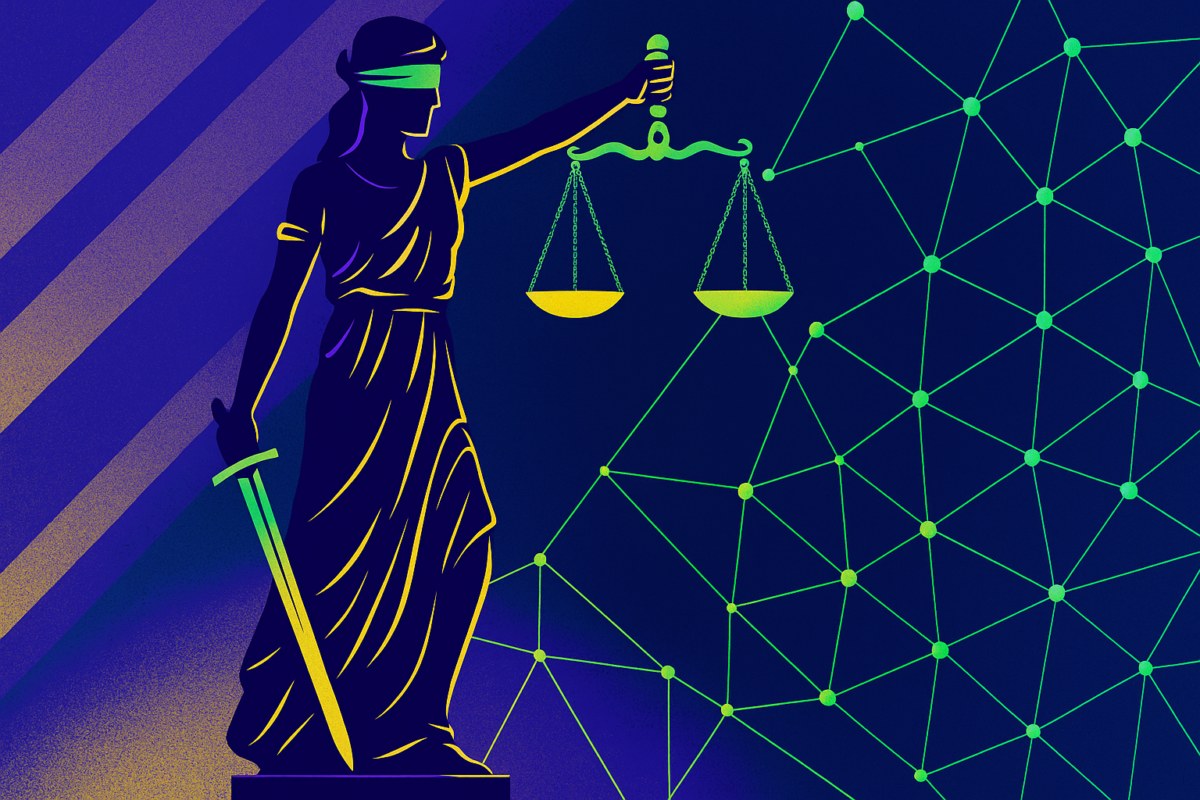
UC Berkeley School of Law is erecting a digital firewall, attempting to shield the remnants of human intelligence from total automation. Starting in the summer of 2026, a strict ban on generative AI will take effect across the curriculum. The sanctions cover everything from ideation and drafting to basic proofreading and translation. The administration remains convinced that the capacity for independent critical analysis is the bedrock of jurisprudence—a foundation that cannot be delegated to algorithms before a student has developed their own mental "processor."
While the legal industry moves aggressively toward automation, Berkeley is betting on academic resistance. Students will retain the right to use AI exclusively as an advanced search tool for statutes or judicial precedents, but with a significant caveat: the burden of accuracy rests entirely on the human. The new rules are explicit—the presence of "hallucinated" or fabricated citations in any assignment will be treated as irrefutable evidence of unauthorized AI use, carrying severe disciplinary consequences. While professors may still experiment with AI in niche legal-tech electives, the core curriculum is returning to a model of "unarmed" cognitive labor.
This institutional rollback creates an obvious friction with market realities. While elite education nurtures "pure strategists," the corporate sector is already deploying AI agents for routine analysis and document preparation. For heads of legal departments, this suggests a divergence in the talent pool: the market will soon see graduates with verified depth of thought, but who potentially lack the skills to operate in highly automated workflows.
Ultimately, this is a classic attempt to preserve elite status by increasing the difficulty of entry into the profession. Berkeley is effectively filtering out those who use neural networks as a crutch for logic. In the long term, this could create a rift between high-end consulting, where human deduction is paramount, and the mass legal services market, which is destined to fall under algorithmic management. The only question is whether these "pure analysts" will prove too slow for a world where the speed of a draft often outweighs its philosophical depth.