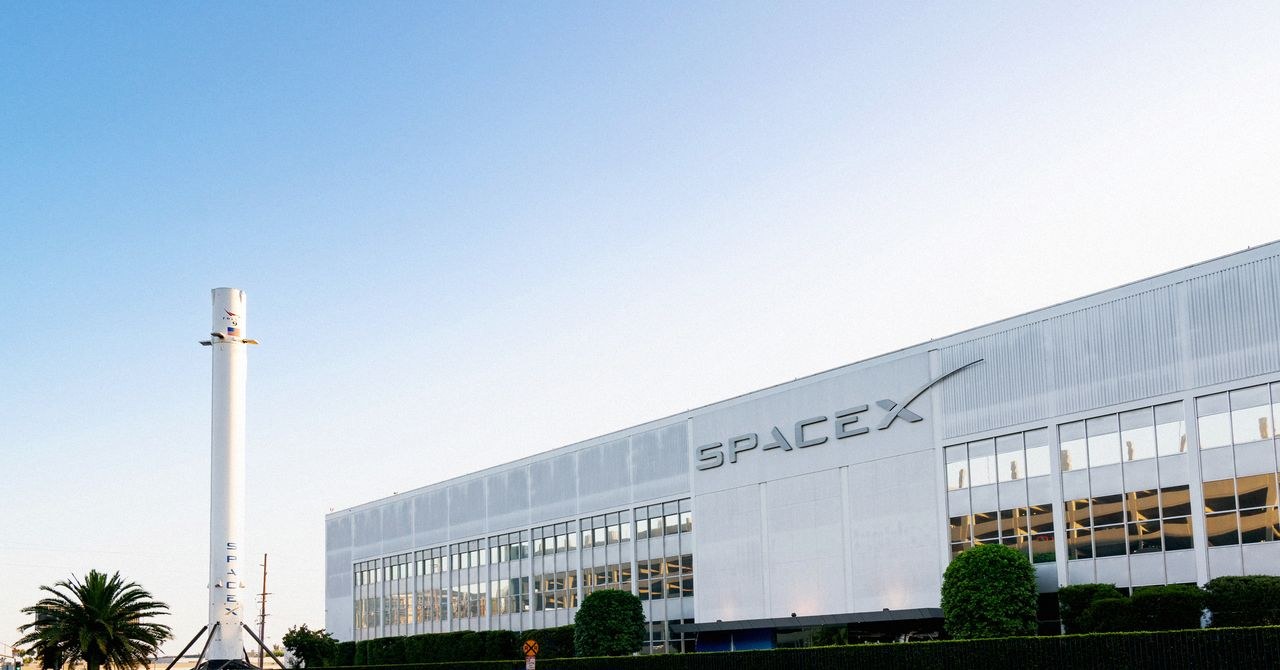
Anthropic has officially secured its place in history as the largest benefactor of its own competitor. According to an S-1 filing by SpaceX, the developer of the Claude LLM has committed to paying Elon Musk’s aerospace firm $1.25 billion monthly through May 2029. This staggering $15 billion annual bill grants Anthropic the right to lease capacity at the Colossus and Colossus II data centers.
While Anthropic aims to hit $10 billion in revenue by mid-2026—a target reported by The Wall Street Journal—it is already spending far more than it earns. Ironically, these massive payments are flowing directly into the pockets of the owner of xAI, Anthropic’s direct rival.
This deal exposes a new hierarchy in the tech industry: owning advanced algorithms is now secondary to hardware. If you do not control the gigawatts of power and the physical racks, you aren’t a primary player; you are a tenant. SpaceX originally built its massive facilities in Tennessee and Mississippi for its own needs. However, Musk has opted to monetize a temporary surplus of resources by charging his competitors. The SpaceX filings emphasize that the company maintains priority access for its own neural networks, using Anthropic’s cash primarily to recoup capital investments. Consequently, Anthropic’s ability to scale is now physically capped by terms dictated by the creator of Grok.
The situation is even more striking as SpaceX prepares for an IPO with a $1.75 trillion valuation. Despite reporting a $4.3 billion loss in the first quarter, the company is leveraging scarce infrastructure into a tool for geopolitical and economic dominance. While Anthropic pays just to stay in the game, SpaceX is using that same capital to cement a monopoly on the "means of production" for artificial intelligence.
What we are witnessing is the birth of an "infrastructure tax" on a lack of self-sufficiency. Instead of investing in strategic independence, Anthropic has turned its operating expenses into a lifeline for its rival’s balance sheet. In this arms race, the winner isn't necessarily the one with the best code, but the one who owns the socket the code is plugged into.