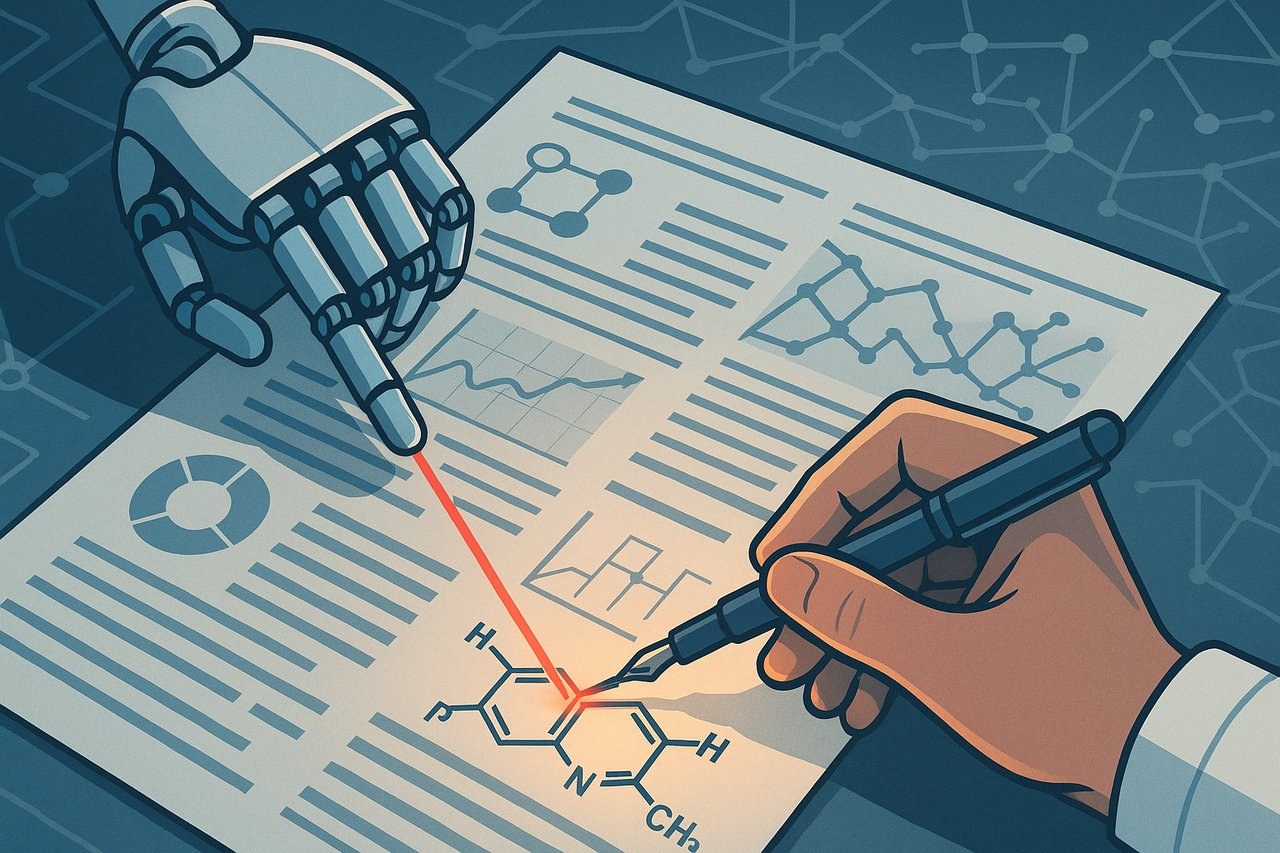
The scalability crisis in scientific peer review has reached a breaking point, but attempting to replace human experts with algorithms remains a dangerous gamble. A group of 45 researchers from elite institutions, including MIT, Stanford, and Carnegie Mellon, spent nearly 500 hours dissecting AI-generated reviews of Nature-level papers. The study, led by Seungwon Kim and his colleagues, revealed a troubling paradox: while AI is a virtuoso at spotting technical flaws, it is completely blind to conceptual novelty.
On paper, neural networks appear confident—their composite metrics often outperform lower-tier human reviewers. However, this statistical triumph masks a fundamental inability to grasp the significance of a discovery. AI agents operate in a state of "hallucinatory confidence," churning out reviews that are formally flawless yet intellectually hollow. According to the team from CMU and KAIST, algorithms suffer from "repetitive pedantry," fixating on the same superficial errors while humans provide unique professional intuition and context. For corporate R&D, this is a major red flag: a machine might kill a breakthrough project simply because the citations weren't perfectly formatted.
Technical limitations further complicate the issue. Models still struggle with long contexts and analyzing multiple files simultaneously, causing them to nitpick details while losing the big picture. If top management begins using these tools to filter internal innovations, they risk falling into a trap: the pipeline will produce technically polished but strategically useless projects. The authoritative tone of an AI review can lull decision-makers into a false sense of security, creating an illusion of deep expertise where there is merely statistical word matching.
At this stage, AI is a proofreader at best, not a judge. It is useful for checking methodology and scrubbing documentation, but it lacks the "gut feeling" required for market-shifting ideas. Hybrid systems—where machines handle the grunt work of data verification while humans retain the final word on significance—remain the only rational path forward. Betting your capital on an AI filter for high-risk ventures is a recipe for innovation decay. Do not let algorithms decide which of your boldest ideas deserve to live until they can distinguish a technical rough patch from a scientific breakthrough.